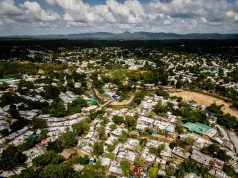

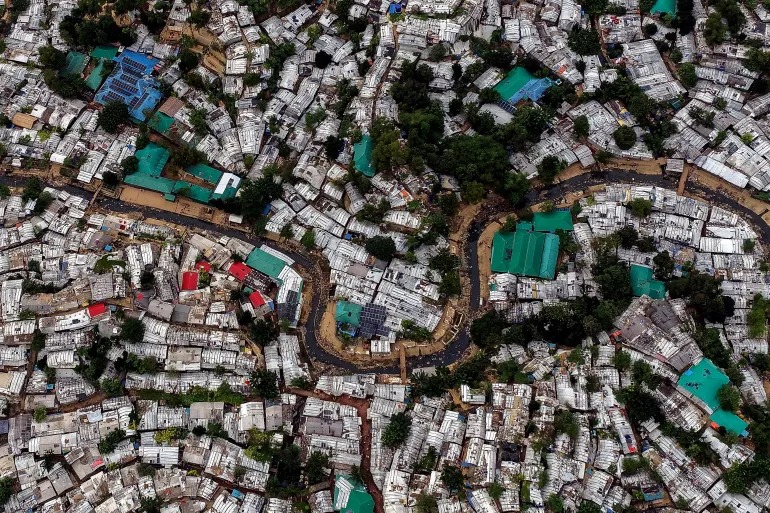
On November 19, 2026, the International Court of Justice (ICJ) delivered a landmark judgment holding Myanmar responsible for genocide against the Rohingya. After seven years of proceedings, the ruling marked a major step towards accountability. For Bangladesh, which has sheltered Rohingya refugees for nearly a decade, the central question is whether justice in The Hague can help secure their long-awaited return to Rakhine State.
The case followed Myanmar’s military operations in August 2017, when at least 10,000 Rohingya were reportedly killed and more than 700,000 fled to Bangladesh. Supported by the Organisation of Islamic Cooperation, The Gambia initiated proceedings in November 2019. Eleven countries, including Britain, France, Germany and Canada, subsequently intervened. The court found Myanmar in breach of the Genocide Convention and ordered measures addressing accountability, reparations and the protection of displaced Rohingya. Its judgment reinforces demands for safe, voluntary and dignified return, but cannot itself create the conditions necessary for repatriation.
Bangladesh can now use this judgment to place repatriation more firmly on the diplomatic agenda. The United States, Britain and the European Union could consider targeted sanctions, while the OIC and UN member states coordinate pressure for compliance. China, with considerable influence over Myanmar, has an important role in facilitating negotiations. Although ICJ judgments are binding, the court has no enforcement force of its own, and divisions within the UN Security Council could obstruct collective action. Sustained diplomacy must turn Bangladesh’s stronger legal position into practical progress.
The greatest challenge remains inside Rakhine. Myanmar retains its obligations under international law, but the Arakan Army controls much of the territory to which the Rohingya would return. Pressure on the military junta alone cannot guarantee their safety. Any credible strategy must address this reality without relieving Myanmar of responsibility. Return must be genuinely voluntary, based on informed consent rather than pressure or arbitrary deadlines. Citizenship, freedom of movement, access to homes and livelihoods, and protection against discrimination are essential. Without these guarantees, repatriation could expose the Rohingya to renewed displacement.
The verdict marks a historic milestone in the Rohingya’s struggle for justice. Yet instability in Rakhine, the Arakan Army’s control and the junta’s defiance remain formidable obstacles. The international community must combine coordinated diplomatic pressure with Chinese mediation to secure citizenship, safety and dignified return. The judgment demonstrates that no state can remain shielded by impunity forever. What is needed now is the political will to turn legal victory into meaningful action. Only then can the Rohingya’s prolonged exile end and a dark chapter of history finally close.
By Salam Abu
Editor