

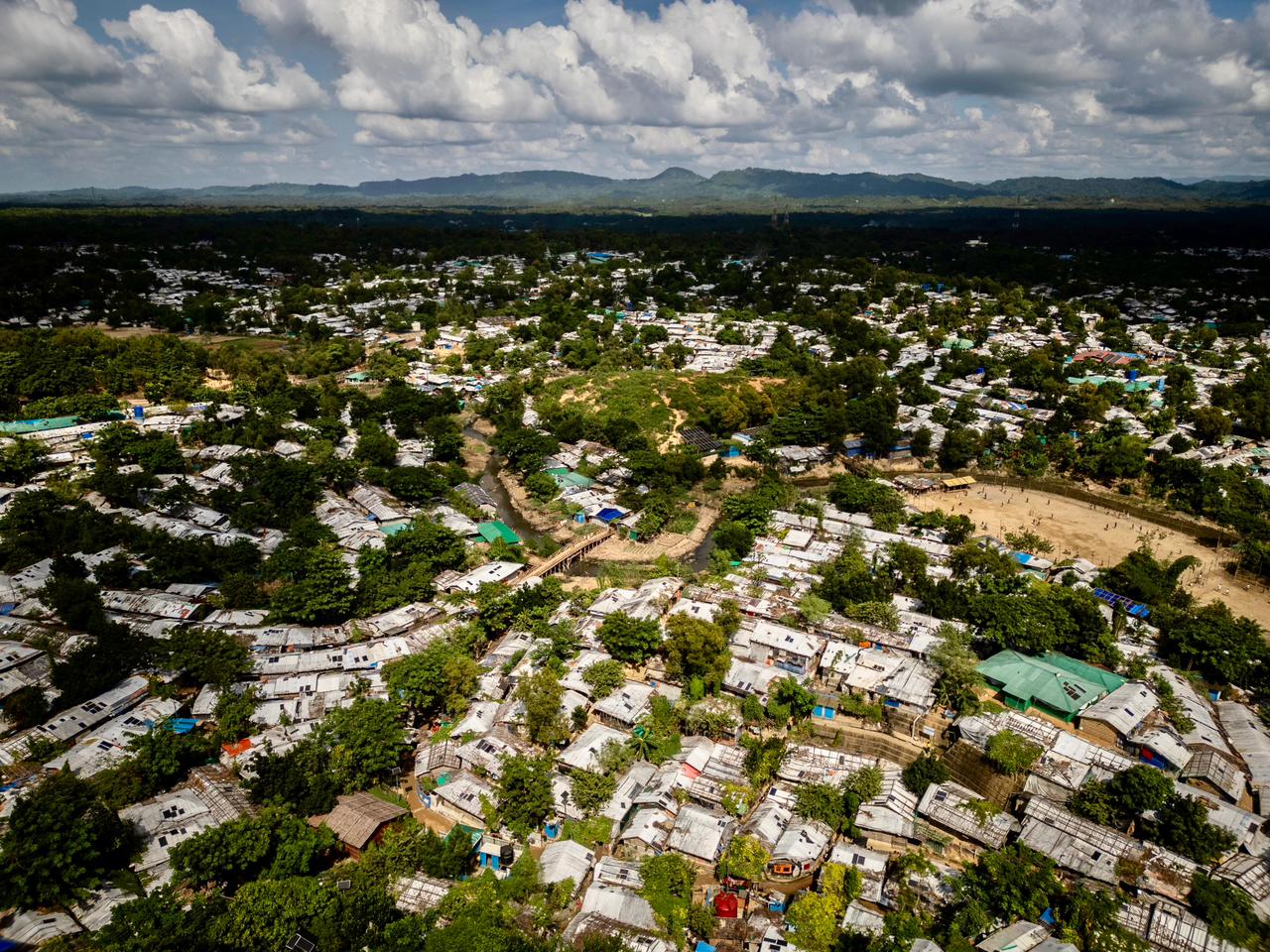
More than 700,000 Rohingya fled persecution in Myanmar and sought refuge in Bangladesh in August 2017. Subsequent arrivals have increased pressure on the crowded camps of Ukhiya and Teknaf in Cox’s Bazar. Over nine years, killings, abductions, drug trafficking and armed groups have deepened insecurity. Against this backdrop, remote hearings at Camp 2 West could help overcome longstanding barriers to justice.
The initiative was formally launched on September 1, 2026, with the involvement of the Bangladesh Legal Aid and Services Trust (BLAST), the Refugee Relief and Repatriation Commissioner’s office and UNHCR. Rather than creating a separate court, it connects camp participants to existing proceedings by video. The pilot involves magistrates’ courts and Women and Children Repression Prevention Tribunal-3. During a pilot hearing on July 28, charges were framed in a case stalled for four years. A promising start, though too early to judge its effectiveness.
Non-citizenship does not place Rohingya outside Bangladeshi law. Although Bangladesh is not party to the 1951 Refugee Convention, foreigners remain subject to its criminal laws and entitled to applicable legal protections. Without dedicated refugee legislation, camp administration relies on existing laws and executive directives. The Use of Information Technology by Courts Act, 2020, provides a framework for technology in judicial proceedings. Remote testimony must nevertheless comply with applicable rules and preserve the right to a fair hearing.
According to published government figures, 5,603 cases were filed in the camps over nine years, including 292 homicide cases. Yet barriers to justice matter as much as crime figures. Ukhiya and Teknaf are approximately 35 and 75 kilometres, respectively, from the Cox’s Bazar courts. Travel costs, movement restrictions and fear of armed groups can deter witnesses, delaying hearings and prolonging uncertainty for victims.
Remote hearings could particularly benefit survivors of domestic and sexual violence, who face additional stigma and insecurity. Easier participation may accelerate proceedings and strengthen accountability for Rohingya and host communities alike. Yet these gains require sustained institutional support, not technology alone.
Reliable connectivity, competent interpreters, confidentiality and cybersecurity are essential. Witnesses must testify without coercion, with private facilities and protection against retaliation. Defendants must retain legal representation and a meaningful opportunity to present their defence. Judicial oversight and accessible mechanisms for addressing technical failures and procedural complaints are equally necessary.
Safe, voluntary and dignified repatriation to Myanmar remains the lasting solution. Until then, access to justice cannot wait. Success should be measured not merely by hearings completed or time saved, but by fairness, witness protection, defendants’ rights and transparency. Technology can facilitate justice; it cannot replace its fundamental principles.
By Salam Abu
Editor