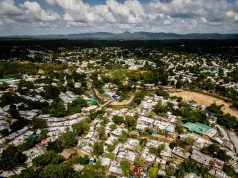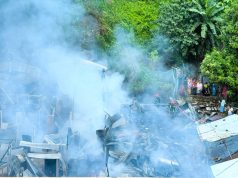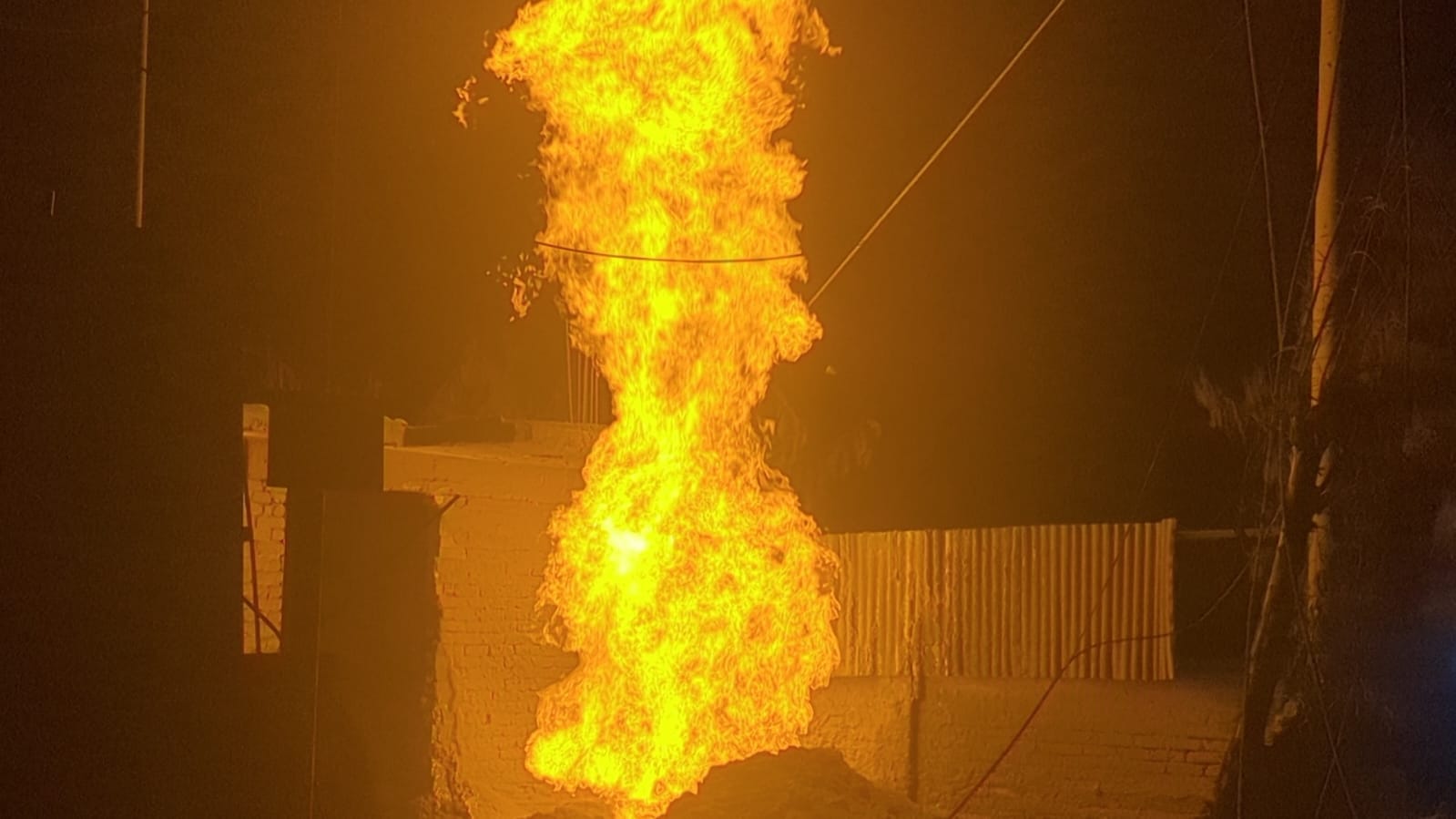
The uncontrolled release of gas and subsequent fire at Chhoto Inani in Ukhiya, Cox’s Bazar, have exposed a critical challenge: how to investigate a potential energy resource without compromising public safety. On October 27, gas and water reportedly erupted during deep tube-well drilling in a residential compound in Jaliapalong Union. The resulting fire has proved difficult to control, highlighting both immediate risks and the possibility of untapped underground resources.
According to published reports, BAPEX laboratory tests have identified the gas as thermogenic, offering an important clue to its geological origin. However, identifying the gas’s origin does not establish the size or commercial viability of any underground reserve. The prolonged gas flow warrants further geological investigation, but the extent and recoverability of potential deposits remain unknown. Declaring Inani a new gas field before seismic surveys and exploratory drilling would therefore be premature.
The immediate priority must be controlling the gas flow safely while protecting nearby residents. BAPEX has initiated technical measures under expert guidance, but an improperly managed attempt to seal the opening could force gas through alternative pathways, creating further hazards. Safety must take precedence over speed. Beyond restricting access, authorities should protect affected households, arrange temporary accommodation where necessary and provide emergency medical support. Monitoring air and groundwater quality, alongside timely public updates, should also form part of the response.
For Bangladesh, where energy imports impose substantial financial pressures and supply uncertainties, the prospect of additional domestic gas deserves serious attention. Yet its economic value must be assessed against recoverable reserves, extraction costs and environmental risks. Inani is also part of a sensitive coastal landscape closely linked to tourism and local livelihoods. Any future exploration or production must be preceded by a thorough assessment of its potential impact on groundwater, coastal ecosystems, tourism and local communities. Energy security and environmental protection should be treated as complementary responsibilities, not competing priorities.
The incident also calls for stronger safeguards in deep tube-well drilling, including risk assessment, operator training and access to emergency expertise. Independent technical review, involving BUET and qualified geologists, would strengthen the credibility of subsequent investigations. Equally important is public accountability: BAPEX and Petrobangla should disclose investigation findings, explain scientific uncertainties and publish a realistic timetable for further exploration. Transparent communication would help counter speculation while strengthening public confidence.
Inani must become neither a source of needless alarm nor an excuse for exaggerated expectations. The priorities are clear: protect lives, bring the gas flow under control and pursue evidence-based exploration. Science will determine how much gas, if any, can be commercially recovered beneath Inani. But the test of the state’s preparedness, responsibility and transparency has already begun.
By Salam Abu
Editor