
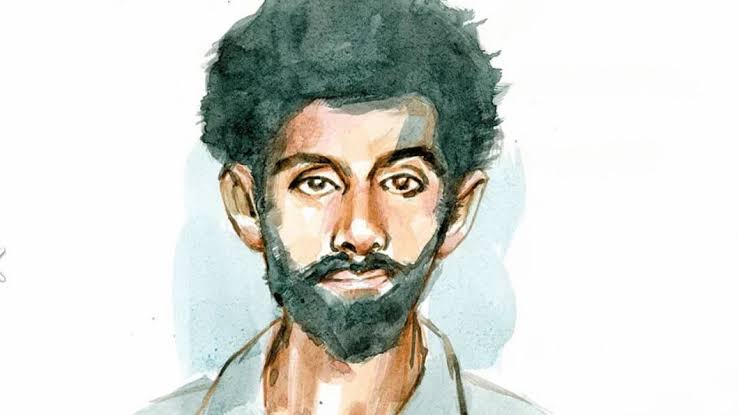
On this Intellectual Martyrs’ Day, the name of Shahid Saber from Cox’s Bazar shines brightly in the nation’s memory. On March 31, 1971, Saber sacrificed his life during a brutal attack by the Pakistani military, becoming a symbol of courage and patriotism. His martyrdom is a tragic yet heroic chapter in Bangladesh’s history of intellectual persecution, and his ideals and legacy continue to inspire us.
A Life Rooted in Purpose
Born on December 18, 1930, in Eidgaon, Cox’s Bazar, Saber Ali hailed from a respected family. He was a brilliant student interested in literature, journalism, and social reform. After the Partition of 1947, he grew increasingly vocal against Pakistan’s oppressive regime, advocating for justice and freedom through his writings and activism.
A Fighter for Language and Liberty
During the early days of the Language Movement, Saber actively protested in Chattogram. As a student leader and a prominent voice against Pakistan’s autocratic policies, he became a target for the regime. Even imprisonment in the 1950s could not silence his relentless quest for truth and justice. Following his release in 1954, he resumed his work as a writer and journalist, using the power of the pen to challenge injustice.
A Legacy of Sacrifice
His life came to a tragic end in 1971 when the Pakistani forces set fire to the Dainik Sangbad newspaper office where he worked. His death symbolized the systematic killing of intellectuals aimed at crippling the nation’s soul. But Shahid Saber’s sacrifice became a beacon of hope for freedom-loving people.
Eternal Inspiration
Shahid Saber’s legacy reminds us that independence is more than a political right; it is a spirit that lives through struggle and sacrifice. On this solemn day, we honor him and countless others whose lives were taken but whose ideals continue to guide our journey toward a just and free society.
Let us remember Shahid Saber, whose story is etched in the annals of Bangladesh’s struggle for independence — a legacy that will endure as long as the flame of freedom burns in our hearts.
By Rajin Saleh