

In 2016, a mass influx of Rohingya refugees from Myanmar into Bangladesh changed the course of my journalism career forever. Although I had already been working in the field, the following events took my reporting to a new dimension. The crisis escalated further in 2017 when another massive wave of Rohingya refugees arrived, drawing the world’s attention to Teknaf—Bangladesh’s last border point. From that moment, my nights became sleepless. The desperate cries, suffering, and tragic scenes of displaced people reshaped my perspective on journalism.
Before witnessing it firsthand, I had only read about refugee crises in books or seen them in films. But nothing could have prepared me for the heartbreaking reality I saw. Parents, stripped of everything, running through muddy terrain with their children in their arms, desperately seeking safety—an image that deeply moved me. At that time, only a handful of journalists covered the border crisis. I would leave home at dawn and return past midnight, tirelessly reporting the unfolding humanitarian disaster. That relentless effort eventually brought me into contact with both national and international journalists, leading to opportunities to work with global media houses such as Al Jazeera, BBC, BBC Radio, AP, Deutsche Welle, Radio Free Asia (RFA), and BenarNews—collaborations that continue to this day.
Yet, I never imagined the Rohingya crisis would unfold the way it did. The road was challenging but not impossible. I pushed forward with unwavering determination. However, the journey was not without obstacles. Besides facing criticism from detractors, I also encountered challenges from intelligence agencies and law enforcement authorities.
In May 2018, I received threats after covering the alleged extrajudicial killing of Teknaf councilor Ekramul Haque by the Rapid Action Battalion (RAB). I was put under surveillance and, for security reasons, often had to spend nights away from home. A high-ranking RAB official once angrily warned me never to write another word about Ekramul’s killing. At the same time, I faced pressure from his relatives and other sources to remain silent. That same year, while reporting on the Rohingya crisis, the military confiscated my phone inside a refugee camp. I barely managed to leave the area unharmed.
Later that year, after covering an alleged “gunfight” involving law enforcement, former Teknaf police officer Pradeep Kumar Das targeted me. While many journalists followed his narrative, I chose to stand by the truth. Ironically, some of those who never wrote a single word about Ekramul or Major Sinha’s killings now present themselves as wise and rational journalists. Even after Pradeep’s crimes were exposed, many remained silent—or worse, defended him.
On July 31, 2020, the extrajudicial killing of retired Major Sinha Mohammad Rashed Khan finally brought Pradeep’s corruption and brutality to light. Still, many opportunists chose to remain quiet. More recently, while covering Myanmar’s military conflict near the Naikhongchhari-Ghumdhum border in Bandarban last year, I faced another ordeal. The Border Guard Bangladesh (BGB) seized my phone but later returned it.
Most recently, on March 8, I posted a Facebook status following the release of Aynar Ghor (House of Mirrors). The post sparked controversy, leading to another wave of backlash. Some fellow journalists even shared screenshots of my post with their contacts, further escalating the situation.
There have been countless incidents where I have faced threats, intimidation, and professional roadblocks simply for doing my job. The most surprising thing, however, is that many journalists ask me, “You write so much—haven’t intelligence agencies ever given you trouble?” Their question always amuses me, but it does not discourage me. By now, I have learned that critics will always exist. But ironically, my biggest obstacles have not come from government agencies—my colleagues have tried to hold me back the most.
Yet, I remain grateful to my detractors. Their resistance has only strengthened my resolve. Because of them, I have pushed forward and earned multiple journalism awards from both national and international platforms.
This journey has never been easy, but I have never stopped. I still have numerous paths to explore—not just as a memory collector, but also as a field journalist.
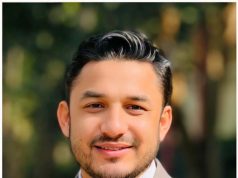
Author, Abdur Rahman, is a jornalist.