The three-month Cox’s Bazar Tourism Carnival 2026, scheduled to begin on November 15, offers an opportunity to revitalise the coastal economy. Organised by the Bangladesh Parjatan Corporation across approximately 35 acres near Hotel Shaibal, the event is a welcome initiative. Yet a large festival alone cannot transform tourism. Its success should be judged by the quality of visitor experiences, benefits to local communities and improvements that endure beyond the celebrations.
Cox’s Bazar remains largely dependent on domestic visitors and beach-centred holidays. The Cox’s Bazar Hotel and Guesthouse Owners’ Association estimates that visitor numbers grew from around six million in 2023 to seven million in 2024 and over eight million in 2025. Yet investment in diverse attractions and visitor services has not kept pace. Existing private initiatives offer entertainment and cultural activities, while the carnival could broaden these opportunities through performances, local cuisine and crafts. Such attractions may encourage longer stays and greater spending across the hospitality sector.
International tourism requires more than entertainment. Better connectivity, safety, service standards and overseas promotion are essential. Equally important is reliable data on visitors’ origins, length of stay and spending to guide long-term planning. These responsibilities extend beyond any single festival.
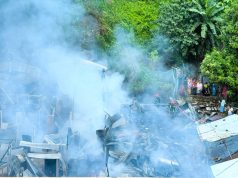
Safety and hospitality standards demand immediate attention. Recent fires have raised fresh concerns about safety standards and oversight of hotels and resorts. Serious, imminent hazards require firm action. Elsewhere, risk-based inspections, realistic compliance deadlines and technical support can improve safety without unnecessarily disrupting businesses. Transparent accommodation and food prices, reliable service and effective complaint mechanisms are equally important to maintaining visitor confidence.
The carnival must also create opportunities for local communities. Stall allocations, commercial activities and cultural programming should ensure fair access for small businesses, artisans, performers and young entrepreneurs. Local tourism associations should be represented in planning and coordination. A publicly supported festival must strengthen the host economy rather than concentrate benefits among a few large operators.
Managing crowds without overwhelming residents or the coastal environment is another priority. Authorities and organisers must establish traffic and parking arrangements, emergency medical and fire-response plans, regular waste collection and effective controls on plastic and excessive noise. Clear responsibilities should be publicly assigned to ensure accountability.
An independent assessment of the carnival’s lasting impact is essential. A published review should examine visitor numbers, local economic benefits, service quality and environmental effects, providing evidence for future tourism planning. Cox’s Bazar cannot build a sustainable tourism future by counting crowds alone. What matters is the experience visitors take home, the opportunities residents gain and the improvements that remain when the lights go out.
By Salam Abu
Editor