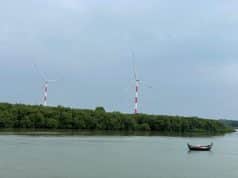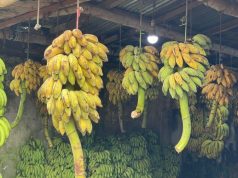


Cox’s Bazar’s coastal belt and surrounding hill tracts are witnessing a quiet but powerful green revolution. Lands that once lay barren are now covered with thriving betel nut plantations. This boom is not only reshaping the landscape with lush greenery but also transforming the lives of local residents.
Hills Turning Green, Farmers Seeing Hope
Local farmers say the cultivation has spread beyond the coastal areas into vacant hill forest land, with large-scale planting in Ukhiya and Teknaf. Farmers are drawn to betel nuts because of their low planting cost and relatively quick yield—trees begin bearing fruit in just a few years, turning small investments into long-term profit opportunities.
Ukhiya’s Sonarpara Bazaar has emerged as the country’s largest wholesale hub for betel nut. This location transports thousands of kilograms of betel nut daily to markets throughout Bangladesh.
Opening New Doors of Income
Betel nut farming has been a pathway to financial independence for many families. Local farmer Abdur Rahman shares, “The lands that once lay unused are now producing betel nuts. Each season brings a wonderful harvest, and we send our produce to the local market and Chattogram, Sylhet, and even Dhaka.”
Betel nut saplings are sold for Tk 30 to Tk 50 each, with premium varieties fetching higher prices.
Economic and Environmental Benefits
Betel nut farming is not just an economic boon; it also benefits the environment. Once-barren hill slopes are now covered in green, helping reduce soil erosion and improving local ecology. At the same time, it is creating employment opportunities for rural communities.
Ukhiya’s Upazila Agriculture Officer noted, “We provide training and technical support to farmers. The soil and climate in this region are ideal for betel nut cultivation, which is why the yields have been so promising.”
Betel nut cultivation in Cox’s Bazar is no longer just an agricultural activity—it has become a driver of socio-economic transformation. As the landscape turns greener, lives are changing too, signalling a future where this region could emerge as one of Bangladesh’s most productive agricultural zones.
By Abdu Rashid Manik
Photo: Hussain Shetu