
More than 74 percent of all dengue cases recorded this year in Cox’s Bazar involve Rohingya refugees, while over 90 percent of deaths from the disease also occurred within the refugee population. The data comes from the Cox’s Bazar Civil Surgeon’s Office, covering the period between January and 24 November.
According to the report, a total of 7,717 dengue cases were detected in the district this year. Among them, 5,720 were Rohingya nationals — accounting for 74.12 percent of total infections. The disease claimed 11 lives across the district during this period, of whom 10 were Rohingya refugees and only one was a Bangladeshi citizen, bringing the fatality share among Rohingya to 90.90 percent.
Dr. Mohammadul Haque, Civil Surgeon of Cox’s Bazar, said that necessary medical supplies have been provided to the district headquarters hospital, upazila health complexes, and field hospitals inside the Rohingya camps. Physicians and nurses have been trained to handle dengue cases.
Cleanup drives targeting Aedes mosquito breeding grounds — such as stagnant water, waste plastic, drainage canals and garbage — are underway across Cox’s Bazar town, camp areas, and nearby localities, helping to improve the situation compared to earlier months.
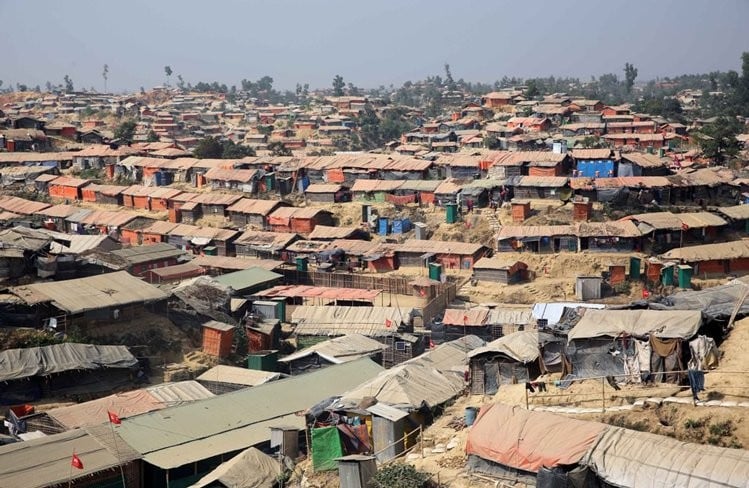
He noted that overcrowded living conditions, waste mismanagement and stagnant water in the Rohingya camps contribute significantly to mosquito proliferation. “Due to climate change, warmer temperatures are creating more favorable conditions for mosquitoes and other disease vectors to breed and survive, worsening the dengue situation in the camps,” he said.
As a result, infection and fatality rates remain disproportionately high among the Rohingya population.
Cox’s Bazar Life Report
Photo: Collected