
Amid the growing touch of modernity, the age-old tradition of clay banks still survives in Cox’s Bazar, quietly preserving a piece of rural Bengal’s cultural heritage.
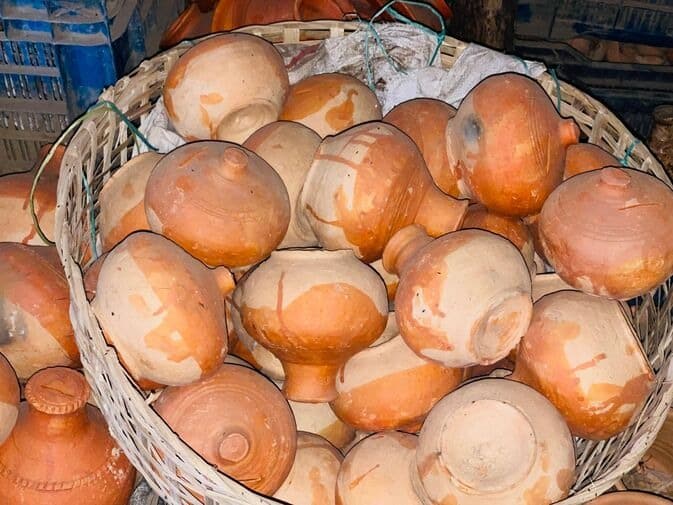
A visit to the handicraft shops near Thana Road in Cox’s Bazar municipality reveals rows of clay banks in various shapes and colors—once a familiar household item and a primary tool for teaching children the habit of saving.
Local artisan Rana says that, although clay banks were once common in almost every home, their popularity has declined over time. Still, many parents and tourists continue to show interest, purchasing them either to introduce children to the value of saving or to keep them as meaningful souvenirs.
Handicraft shop owners explain that these clay banks are entirely handmade by local artisans, each reflecting elements of traditional Bengali folk art.
Their affordability has also helped maintain their appeal among people from all walks of life.
Those involved in the craft believe that renewed interest in these traditional clay banks could play a dual role—preserving rural cultural traditions while also providing fresh encouragement and livelihood opportunities for local artisans.
In the rush of modern life, the humble clay bank serves as a gentle reminder of one’s roots, a more straightforward way of living, and the very first lesson in saving.
By Mohammad Morshed
Photo: Mohammad Morshed