
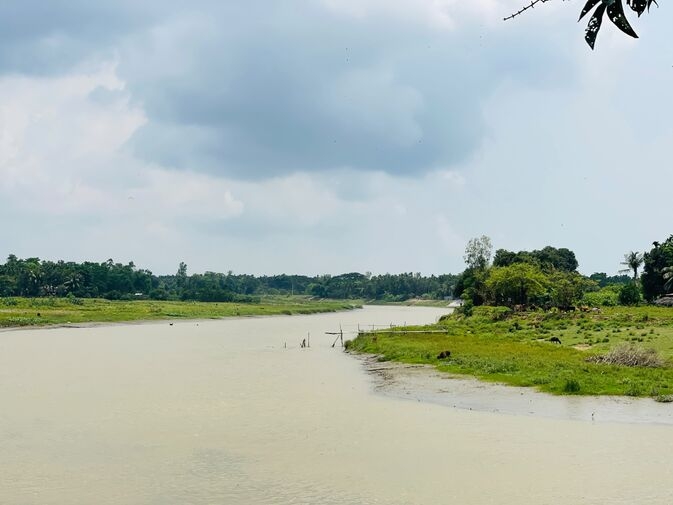
Flowing through Ramu upazila in Cox’s Bazar, the historic Bakkhali River is more than just a waterway.
For generations, it has been closely intertwined with the lives and livelihoods of thousands of people, serving as an important means of communication and supporting economic activities in the area.
Communities, businesses and everyday life have grown around the river over the years, making it an integral part of Ramu’s history and heritage.
From early morning, fishermen can be seen busy on the river.
Hundreds of them depend on fishing in the river for their livelihoods, catching various local fish species. The fish meet demand in local markets and are also supplied to different parts of the district.
Fishing is not the river’s only contribution to local life. The Bak Khali continues to serve as an important waterway for many people in Ramu.
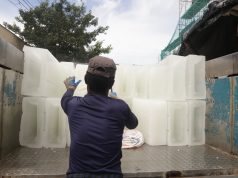
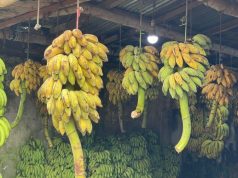
Vegetables, agricultural produce, and daily necessities are transported between different areas by river, helping save both time and transportation expenses.
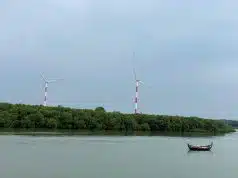
The green landscape along both banks, boats moving across the water, and the daily activities of fishermen together give the Bakkhali a distinctive natural charm. Besides residents, people from different areas also come to enjoy the river’s scenic beauty.
Resident Kader Ali said the Bakkhali River is an inseparable part of Ramu’s history, heritage and culture.
“Protecting the river’s natural flow and environment will ensure that it remains an important natural resource for future generations.
At the same time, it will continue to play a vital role in people’s livelihoods and the local economy,” he said.
The Bakkhali, therefore, remains not only a witness to the passage of time but also a living part of Ramu’s social and economic life — where nature, livelihoods and heritage continue to flow together.
By Mohammad Morshed
Photo: Mohammad Morshed