
The ozone layer, roughly 10 to 50 kilometres above Earth, shields life from the Sun’s ultraviolet radiation. Yet, a few decades ago, CFCs and other ozone-depleting substances were weakening that shield. The expanding ozone hole over Antarctica was a warning the world could no longer ignore. On September 16, 1987, countries responded by signing the Montreal Protocol to phase out substances destroying the ozone layer.
The results are remarkable. Nearly 99 percent of banned ozone-depleting substances have been phased out. If current policies hold, the ozone layer is expected to return to 1980 levels in most parts of the world by around 2040, in the Arctic by 2045 and over Antarctica by 2066. The Montreal Protocol proved that science, policy and international cooperation can reverse a global crisis.
But the lesson is not complete.
The ozone layer may be recovering, but the planet is still heating. In 2024, China emitted around 14.1 billion tonnes of CO₂-equivalent greenhouse gases, compared with 6.05 billion tonnes from the United States and 4.26 billion tonnes from India. The political will that brought the world together over ozone must now be matched by determined action on climate change.
The major economies bear the responsibility. They must cut fossil-fuel dependence, expand renewable energy and reduce emissions from power, industry and transport. HFCs must also be phased down, while energy-efficient cooling becomes the norm.
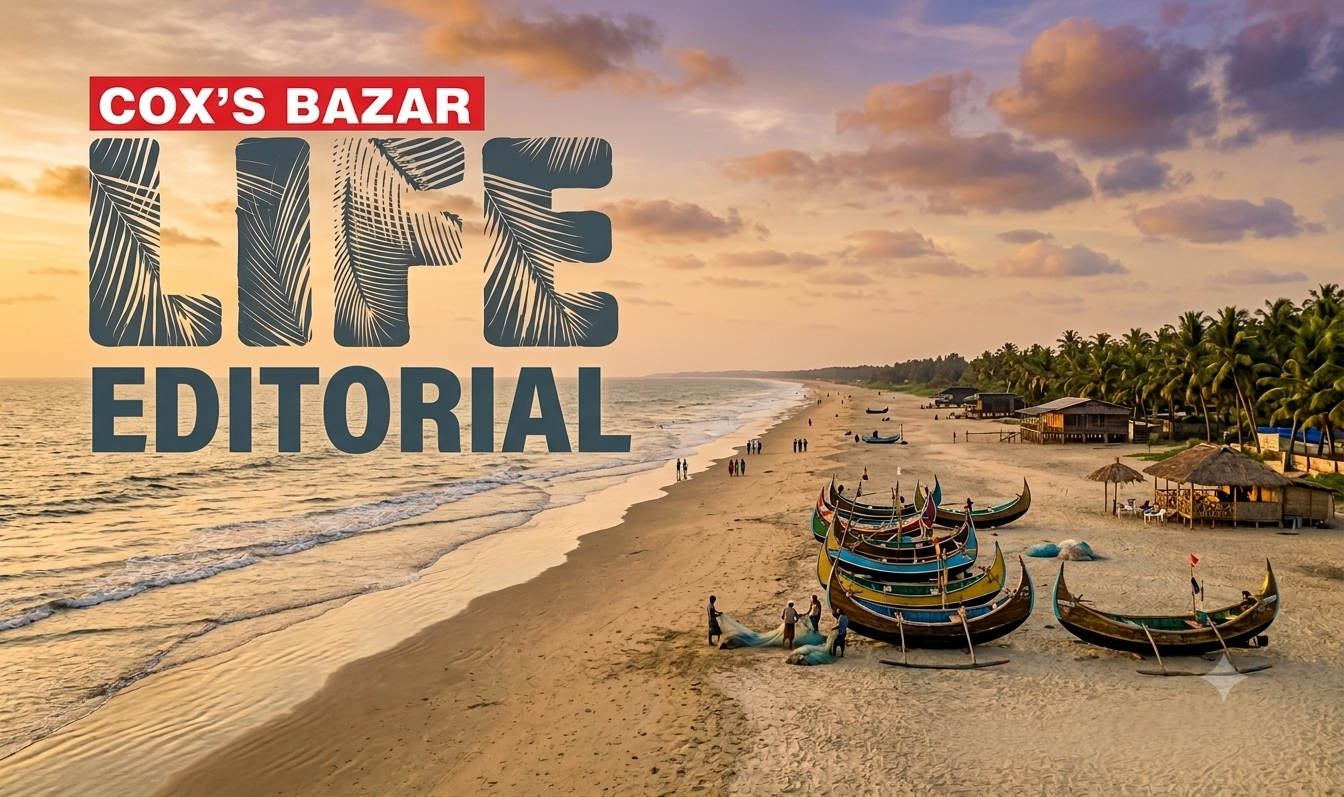
But climate responsibility does not stop at the biggest emitters. For climate-vulnerable Bangladesh, sustainable development is a necessity. Cox’s Bazar makes the point clearly. Eco-resorts, efficient cooling, better public transport, shared mobility and responsible tourism are investments in the future of the tourism economy.
And responsibility ultimately reaches us. Our choices shape demand, and demand shapes production and emissions. Choosing public transport, rail, walking, cycling or car-sharing over private cars may seem small, but millions of such choices can shift the direction of an economy.
The question is not simply how much we take from the Earth, but what kind of Earth we leave for future generations. The Montreal Protocol showed that collective action can reverse a global crisis. Climate change demands that same determination. The time to decide is now.
By Salam Abu
Editor