
Long celebrated for its sandy beach, green hills and hospitality, Cox’s Bazar has become Bangladesh’s leading tourist destination. Tourism provides jobs, supports businesses and drives investment. Yet behind the resorts and expanding infrastructure, residents face mounting disruption to everyday life. The question is not simply how many visitors Cox’s Bazar can attract, but how well its people can live alongside them.
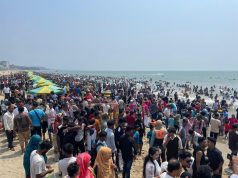
Tourism researcher George Doxey’s Irridex model suggests that a host community’s initial enthusiasm for visitors can gradually turn to indifference and resentment as tourism intensifies. Growing pressure on daily life in Cox’s Bazar makes that warning increasingly relevant. During peak holidays, traffic can obstruct even a journey to hospital. Crowded public spaces, higher living costs and strained services leave residents struggling to enjoy their own town.
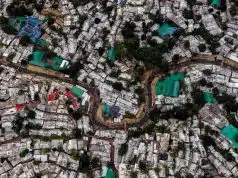
The scale of these pressures is considerable. Bangladesh’s 2022 census recorded approximately 2.82 million people in Cox’s Bazar district. The district also hosts a large Rohingya refugee population. Although displacement and tourism create different challenges, both place demands on public services that require distinct policy responses.
According to the Hotel-Motel-Guesthouse Owners’ Association, more than eight million tourists visited Cox’s Bazar in 2025. Much of the accommodation and visitor activity is concentrated around Kolatoli. A study published in the Bangladesh Maritime Journal estimated Inani Beach’s daily visitor carrying capacity at 2,883. These figures highlight why annual arrivals alone cannot measure the sustainability of tourism.
The psychological dimension deserves particular attention. Constant disruption, shrinking public spaces and a sense of losing control over familiar neighbourhoods can turn everyday frustration into deeper social alienation. But the extent to which tourism affects residents’ mental health remains unclear. Independent research must distinguish its effects from other economic and social pressures, rather than assume every source of distress has the same cause.
Practical action need not wait for that research. Authorities should assess the carrying capacity of individual beach zones and manage peak-season crowds where necessary. Public transport, healthcare, sanitation and waste collection must improve for residents and visitors alike. Tourism development beyond Kolatoli should respect ecological limits and involve host communities. A meaningful share of tourism-generated public revenue should also be reinvested in neighbourhood services and facilities.
Above all, residents need a genuine voice in decisions that reshape their communities. District authorities, tourism agencies and local government must make public consultation routine rather than ceremonial. A tourist destination’s success cannot be measured only in hotel rooms, visitor numbers or revenue. It must also be judged by the dignity, wellbeing and everyday freedom of the people who call it home.
By Salam Abu
Editor