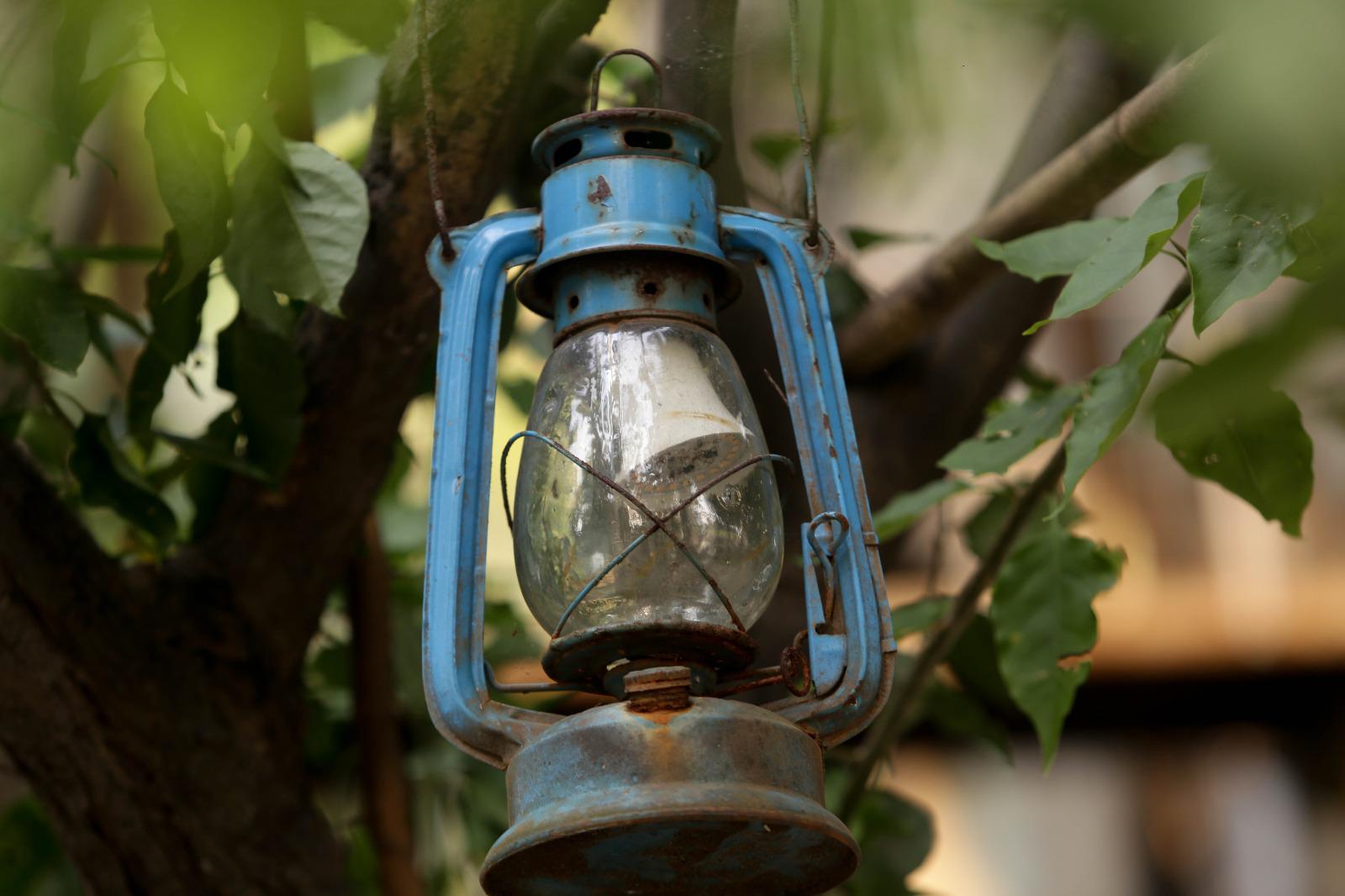
In an age illuminated by electricity and digital convenience, the once-ubiquitous hurricane lamp is fast disappearing. Once a staple in nearly every rural household in Bangladesh, this modest oil lamp is now a nostalgic relic—a fading symbol of a bygone era.
Before electricity reached the remotest corners of the country, the warm glow of a hurricane lamp was the only source of light for millions. It wasn’t just a utility—it was a part of rural life, a quiet companion during evenings of storytelling, study, and prayer.
Interestingly, this long-lost object is drawing new attention in an unexpected place—a Thai restaurant called “Bangkokian”, located along Cox’s Bazar’s scenic Marine Drive. The hurricane lamp, placed as a piece of rustic décor, is now sparking curiosity among tourists. For many, it offers a rare glimpse into Bangladesh’s rural heritage; for others, it brings back childhood memories of simpler times.
The lamp operates on kerosene fuel and features a glass chimney, within which a cloth wick burns to emit light. A small metal dial allows users to adjust the wick, thereby increasing or reducing the brightness. A sturdy metal handle makes it easy to carry from place to place—functionality that made it essential before electric bulbs became commonplace.
In today’s world of LED lights and power banks, the hurricane lamp stands quietly as a symbol of resilience, simplicity, and tradition, still glowing, albeit in new settings.
By Mohammad Morshed
Photo: Hussain Shetu