The theme of the International Day of the World’s Indigenous Peoples 2026 — “Honouring Indigenous Midwives: Safeguarding Life and Well-being” — highlights a significant humanitarian and policy issue. The theme is not merely a symbolic call to honour Indigenous midwives; it also seeks to reaffirm the value of Indigenous peoples’ traditional knowledge, healthcare practices, and dignity at the global level.
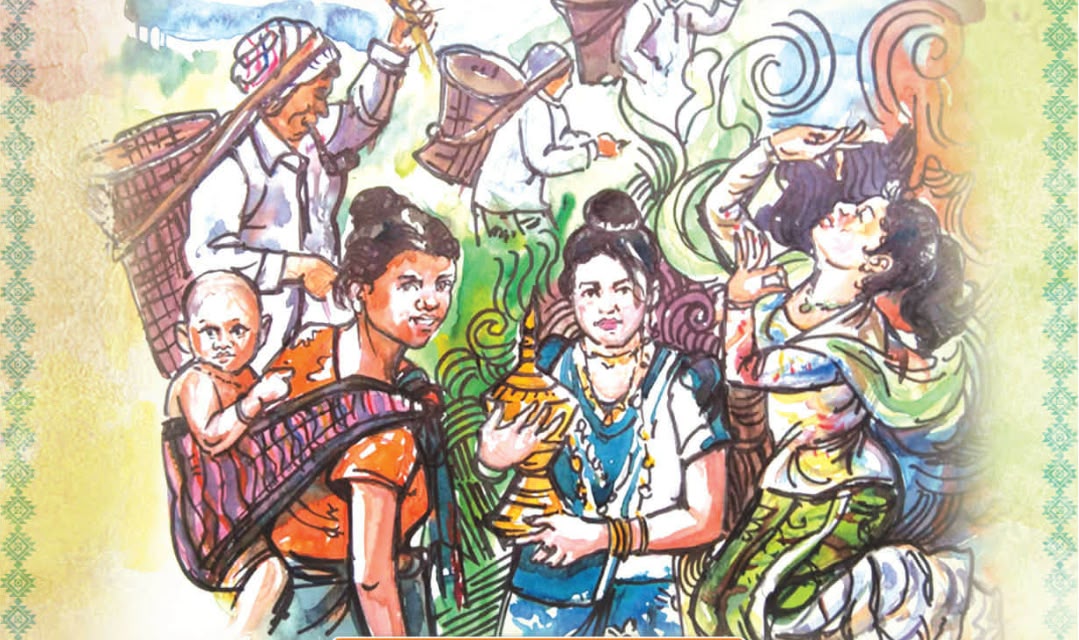
For generations, indigenous midwives have played an important role in maternal healthcare and childbirth. They are not merely birth attendants; they are custodians of an integrated and culturally sensitive healthcare system. Their knowledge of medicinal plants, practical experience, community support and human connection represent a distinct medical and cultural tradition.
Yet, modern state systems have not adequately recognised this knowledge institutionally. As a result, valuable traditional knowledge is gradually disappearing, while indigenous women are often deprived of healthcare that is sensitive to their cultural and social contexts.
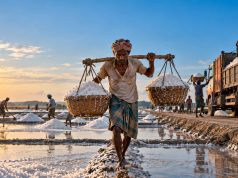
At the heart of this reality lies the question of land and natural resources. For indigenous peoples, land is not merely an economic asset; it is the foundation of their identity, history, culture and existence. Their lives were once deeply rooted in the land. Agriculture, collection of forest resources, livestock rearing, and fishing and aquaculture in wetlands and coastal areas constituted the main pillars of their livelihoods.
But land grabbing, filling of water bodies, displacement in the name of development projects, deforestation and administrative discrimination have increasingly separated indigenous communities from their ancestral territories and water resources. As a result, agriculture, livestock rearing and fisheries-based livelihoods have suffered severely. Food security is under threat, incomes are declining, and poverty is becoming more acute. At the same time, social structures, traditions and systems of indigenous knowledge are being eroded.
Against this backdrop, constitutional recognition of indigenous peoples has become a matter of growing importance. Such recognition should not be viewed as a special privilege, but as a legitimate right that acknowledges their identity, history and contributions. At a time when the state has an opportunity to reform and revise the Constitution, there is a real scope to address this issue. Ensuring constitutional recognition of indigenous peoples would be an important step towards building a more inclusive and just state.
The state’s responsibility does not end there. Effective participation of indigenous communities must be ensured at every stage of policymaking, planning and implementation. From local government to the national level, their representation must be meaningful. Development cannot be sustainable if the people directly affected by policies and projects are excluded from decision-making.
“Nothing about them without them” should be a guiding principle of a genuinely democratic state.
The prevailing model of development also requires serious reconsideration. Unplanned tourism, land grabbing and environmental degradation are increasingly threatening the existence of indigenous communities. Yet sustainable livelihoods can be developed through participatory planning, environmentally responsible policies and a just development framework that combines agriculture, fisheries, small enterprises and culture-based tourism.
In the health sector, training, registration and integration of indigenous midwives into the primary healthcare system could contribute to reducing maternal and infant mortality. At the same time, it is important to explore ways of combining modern healthcare with traditional knowledge to develop a culturally sensitive health system.
The state must also take a more active role in education and culture. Without mother-tongue-based education, opportunities for cultural practice and initiatives to preserve indigenous heritage, it will be difficult to sustain the distinct identities of indigenous communities. Development that erases people’s identity cannot be considered genuine development; rather, it amounts to cultural erosion.
The concerns of indigenous peoples cannot be confined to any single sector. They encompass land, livelihoods, healthcare, culture, education and state recognition. The response, therefore, must also be integrated, humane and forward-looking. Genuine development is not possible without securing rights to land and water resources, making agriculture and fisheries-based livelihoods sustainable, and giving institutional recognition to the knowledge of indigenous midwives.
At the same time, the state must recognise that development without participation can never be sustainable. Ensuring effective representation of indigenous peoples at every stage, from policy formulation to implementation, is not merely a democratic obligation; it is a fundamental prerequisite for sustainable development. Decisions taken while leaving their voices at the margins will only deepen inequality and instability in the long run.
In this context, constitutional recognition could serve as a central and transformative measure. It could provide a state-level foundation for recognising indigenous peoples’ identity, rights and dignity and help establish a framework based on justice. This would not simply be a legal reform; it would represent a moral commitment by the state.
The message of the International Day of the World’s Indigenous Peoples is therefore clear: development must be for people, with people and without compromising their dignity. Only by respecting the rights, knowledge, cultures and ways of life of indigenous peoples, and by ensuring their active participation in the development process, can a truly inclusive, just and sustainable state be built.
By Maung Aye Khen MaungMaung, Poet, President of the Indigenous Welfare and Development Organisation. Former director of the Cox’s Bazar Cultural Centre.