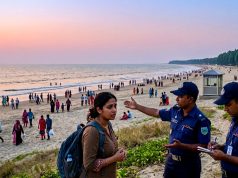

How much remains of the Cox’s Bazar that older generations remember? Somewhere in family albums, old cassette tapes and forgotten video recordings are glimpses of a place that is changing fast. Unless they are collected and cared for, many of those memories will disappear.
Cox’s Bazar is known for its beach, but its history reaches far beyond tourism. It lives in Rakhine traditions, local dialects and folk songs, fishing communities, salt fields and betel leaf farms. It is found in Ramu’s Buddhist heritage, accounts of the 1971 Liberation War, memories of devastating cyclones and the successive arrivals of Rohingya refugees. Together, these stories tell us how people here have lived, worked and adapted.
Much of this record is fragile. Photographs fade, tapes deteriorate and recordings are lost when families move or possessions are discarded. Some stories have never been recorded at all. Older residents carry memories of neighbourhoods, livelihoods and landscapes that younger generations may never have seen. There is still time to listen, but not indefinitely.
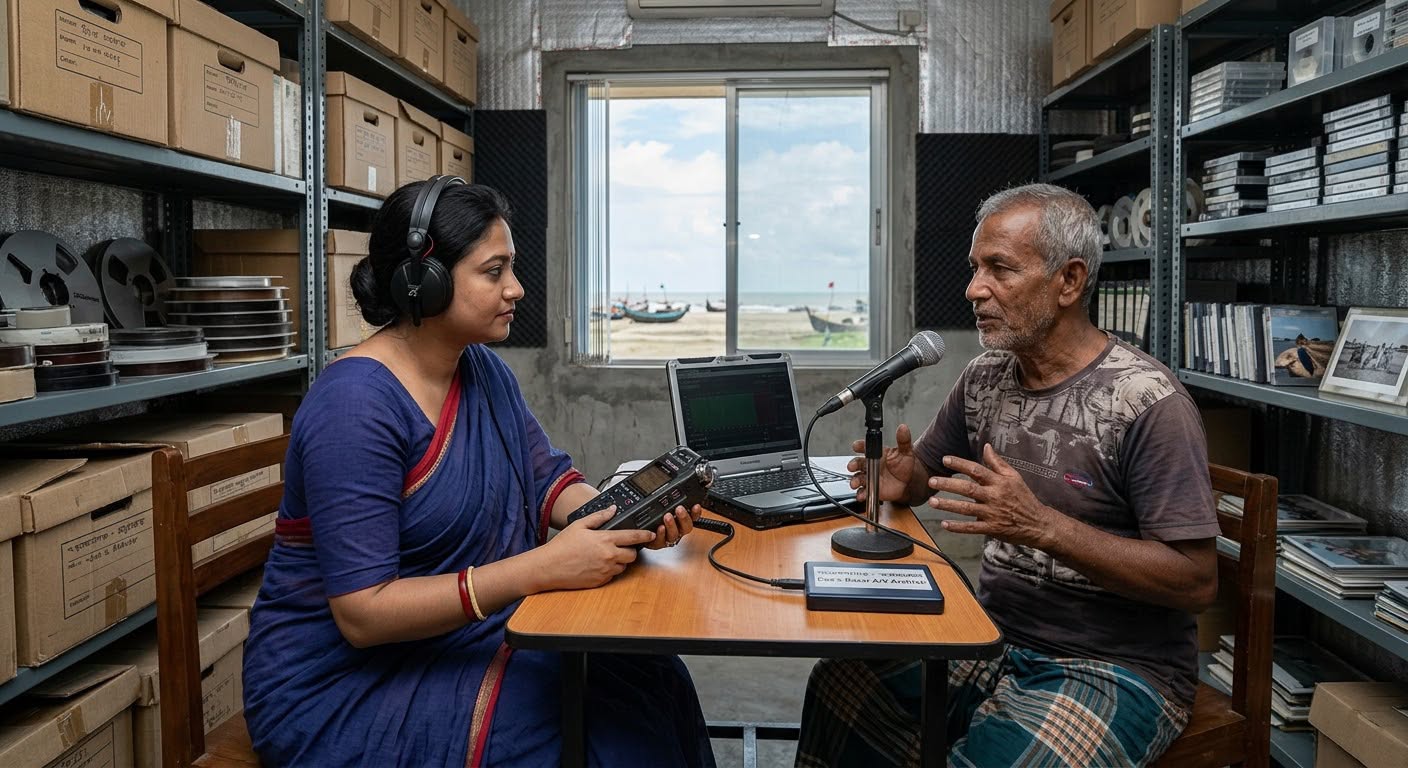
Cox’s Bazar needs a permanent audio-visual archive. The district administration could bring together the Bangladesh Film Archive, museums, researchers, local cultural groups and community representatives to find existing collections, restore damaged material and record oral histories. Families, photographers and artists should be able to contribute their work with proper credit, clear consent and safeguards over ownership and access.
The value of such a collection would extend well beyond cultural preservation. Old images of beaches, forests and settlements could help trace environmental change. Testimonies about cyclones could inform disaster planning. Recordings of regional speech, music and everyday life would give students and researchers a richer understanding of the district than official records alone can offer.
This does not have to begin with an expensive building. A modest programme to identify vulnerable material, digitise it, catalogue it properly and establish a searchable public repository would be a useful start. Sensitive records would need appropriate restrictions, while copies and secure backups would protect the collection itself. Just as importantly, the archive should document today’s Cox’s Bazar, not merely rescue yesterday’s.
Every year, familiar places change and voices fall silent. What survives should not depend on luck or the contents of a cupboard. Cox’s Bazar deserves a record of its past that future generations can see, hear and learn from.
By Salam Abu
Editor