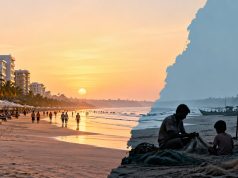

Cox’s Bazar, home to the world’s longest natural sandy beach, is one of Bangladesh’s greatest tourism assets. Yet beneath its scenic beauty lies a troubling reality: inadequate security threatens both visitors and the future of the tourism industry.
Drowning remains the most immediate danger. Of the 120-kilometre coastline, only 3–5 kilometres receive lifeguard coverage, leaving more than 115 kilometres unpatrolled. Despite attracting 8–10 million tourists annually, Cox’s Bazar has just 27 active lifeguards against an estimated requirement of 200–300. Over the past 12 years, at least 77 tourists have drowned, while one remains missing.
The financial situation is equally alarming. While comprehensive surveillance and rescue facilities require substantial investment, the reported allocation is just Tk 1.5 million. Following the withdrawal of funding by the Royal National Lifeboat Institution (RNLI), disagreements between the district administration and hotel owners over monthly operational costs of Tk 1.4–1.5 million have placed lifeguard services in jeopardy.
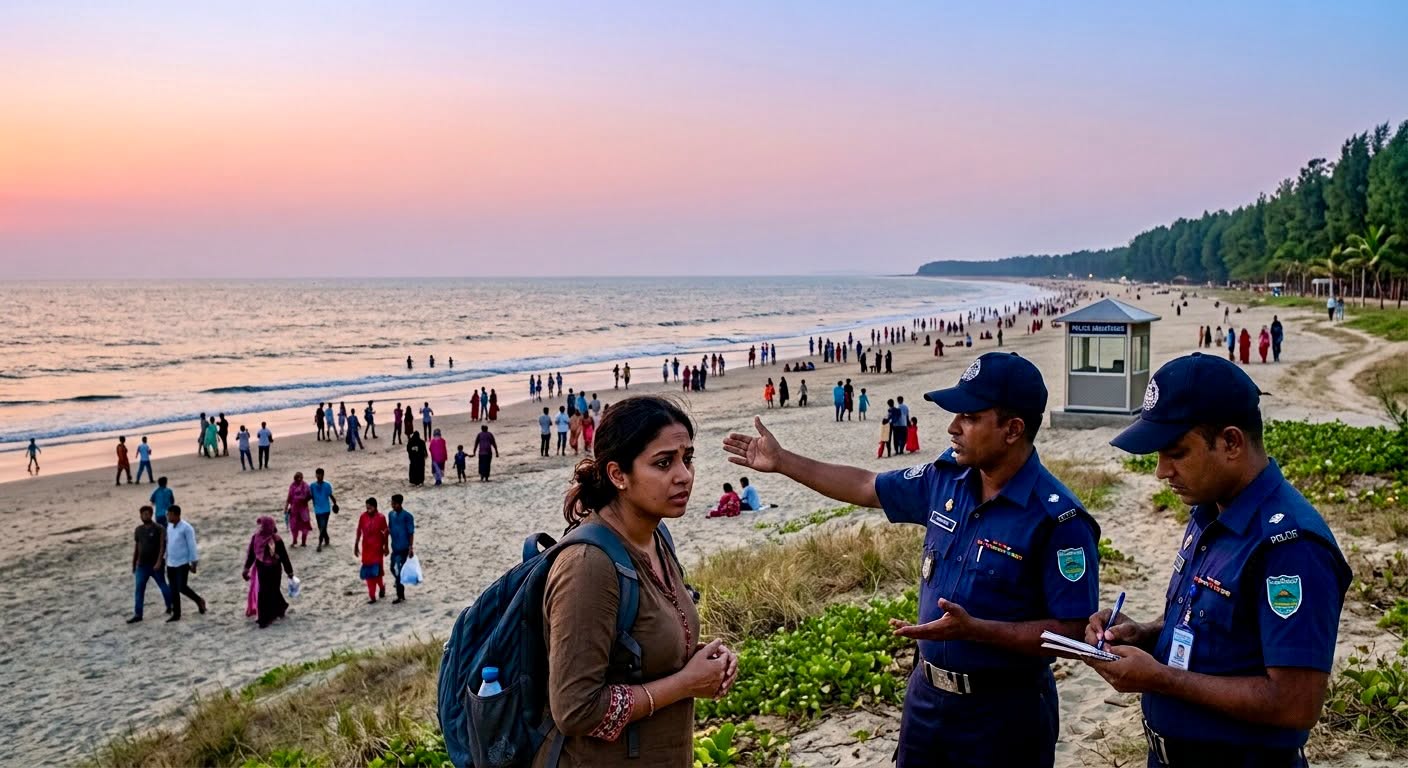
Beyond the sea, lawlessness presents another serious threat. At least 30 crime hotspots have been identified across the beach and township. Mugging, theft, extortion, assaults and occasional kidnappings threaten visitors, particularly around isolated forests and poorly lit cottage areas. Organised groups reportedly engage in sexual harassment and blackmail targeting female tourists around Kalatali and Sugandha. Criminal networks associated with narcotics and kidnapping in the neighbouring Ukhia and Teknaf areas further complicate security.
Online hotel booking fraud, arbitrary transport fares, excessive accommodation charges and unregulated restaurant pricing add to visitors’ difficulties. A public perception survey found that 88.1% considered security arrangements weak, 57.5% linked rising crime and narcotics to political patronage, and 84.3% regarded the Rohingya crisis as a lasting tourism threat.
Natural hazards compound these concerns. Storm surges, landslides, lightning, dangerous rip currents and coastal erosion threaten visitors, while specialised diving teams, rescue vessels, adequate lighting, tourist information centres and certified guides remain insufficient.
Tourism experts often describe security as the industry’s oxygen. One reported international assessment rates Cox’s Bazar just 3 out of 10 for accommodation, hospitality and security. Such a rating contrasts sharply with its extraordinary natural appeal.
Without effective rescue services, stronger policing, reliable funding and institutional accountability, Cox’s Bazar risks losing the confidence of visitors. Natural beauty may attract tourists, but only safety can sustain tourism and protect Bangladesh’s promising blue economy.
By Salam Abu
Editor