
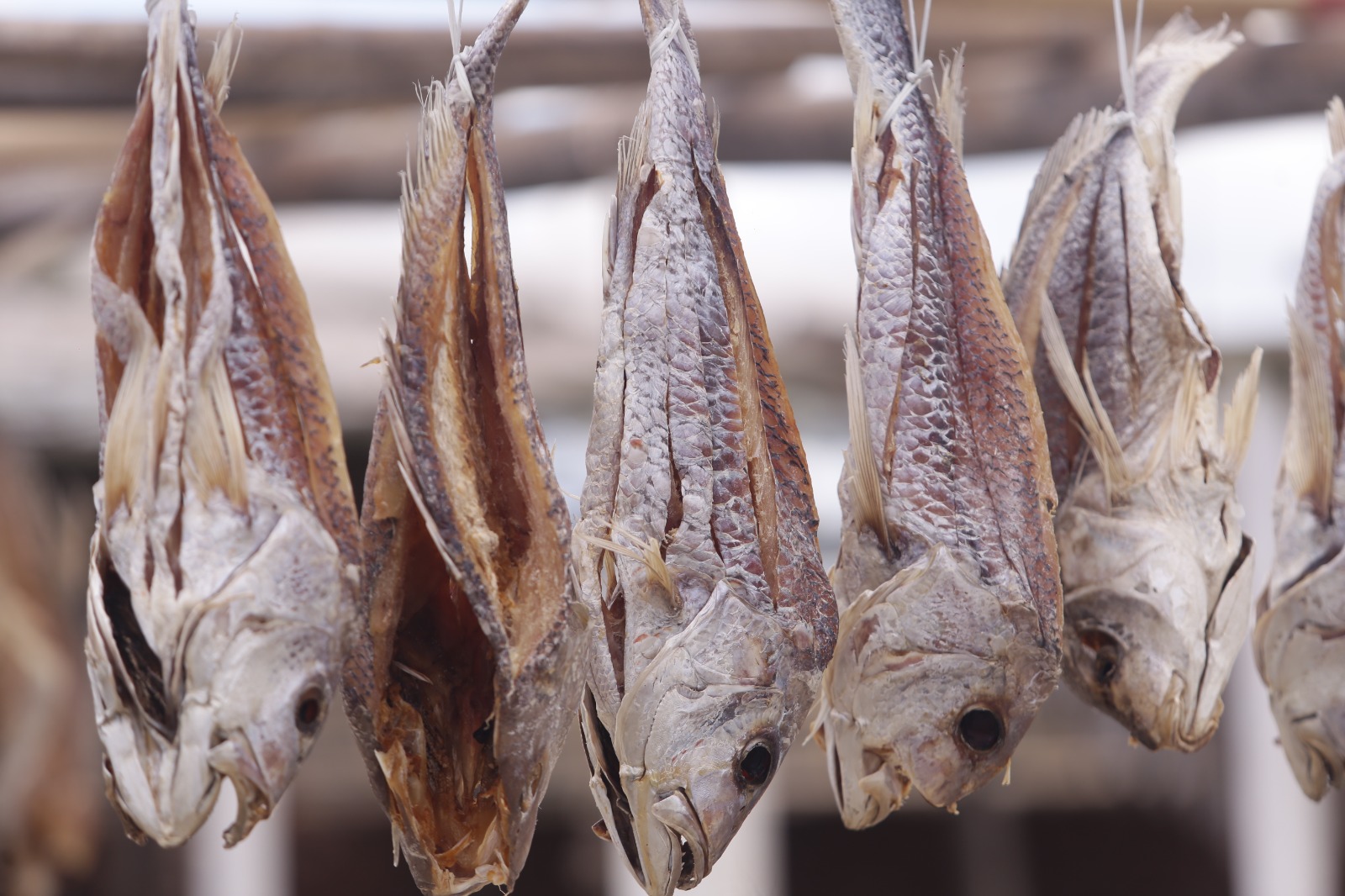
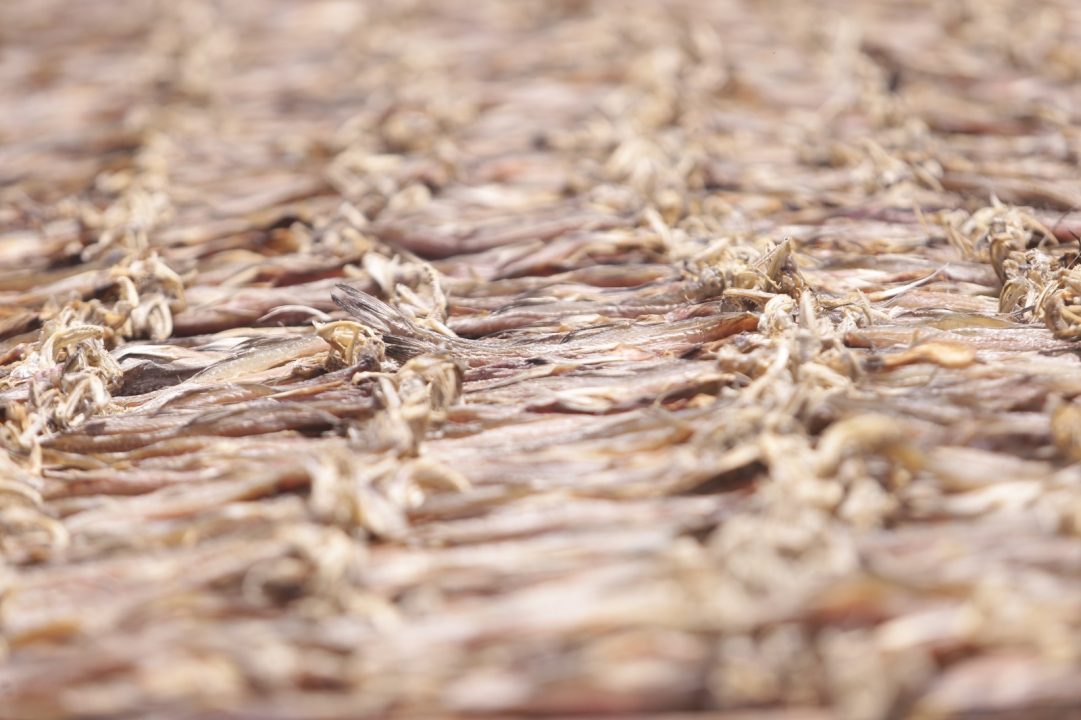
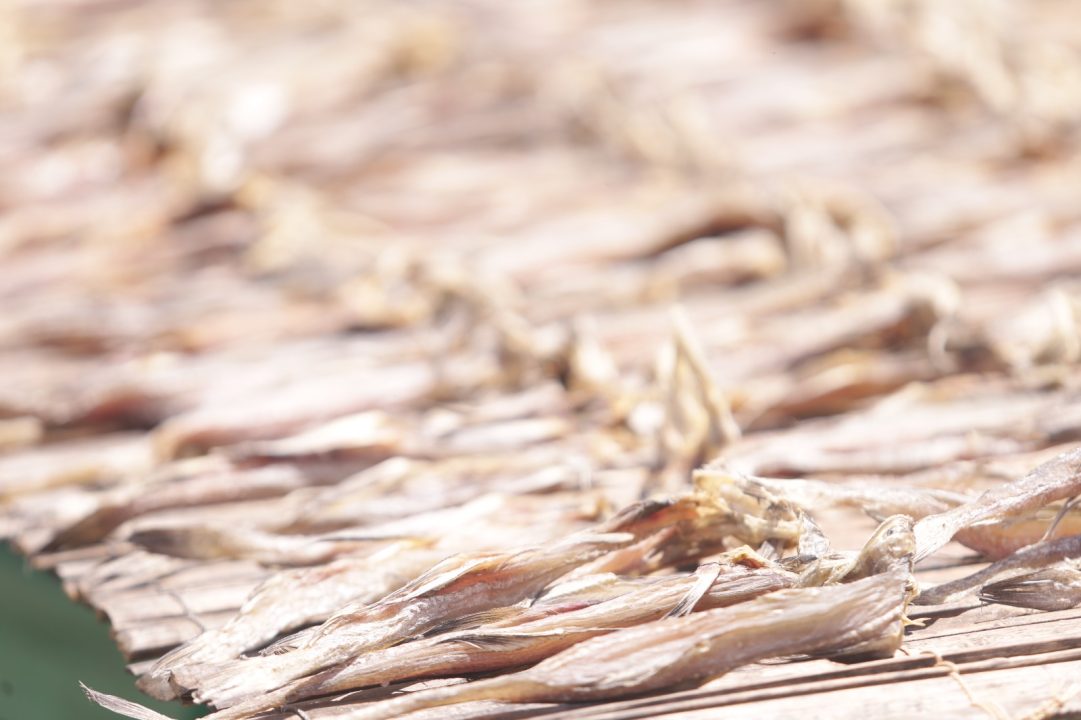
Just seven kilometres from Cox’s Bazar town, Nazirartek has grown into one of the country’s largest dry-fish hubs, spread across nearly 100 acres along the Bay of Bengal. Unlike other coastal destinations, the area offers a vivid glimpse into the lives, struggles and livelihoods of fishing communities.
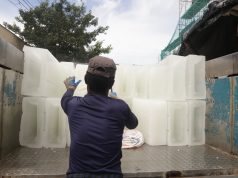
As dawn breaks, the beach comes alive with activity. Fishers unload their catch from the sea, workers transport fish on handcarts, and ice suppliers rush to meet the day’s demand. Nearly a kilometre before reaching the main shutki village, the distinctive smell of dried fish begins to fill the air.
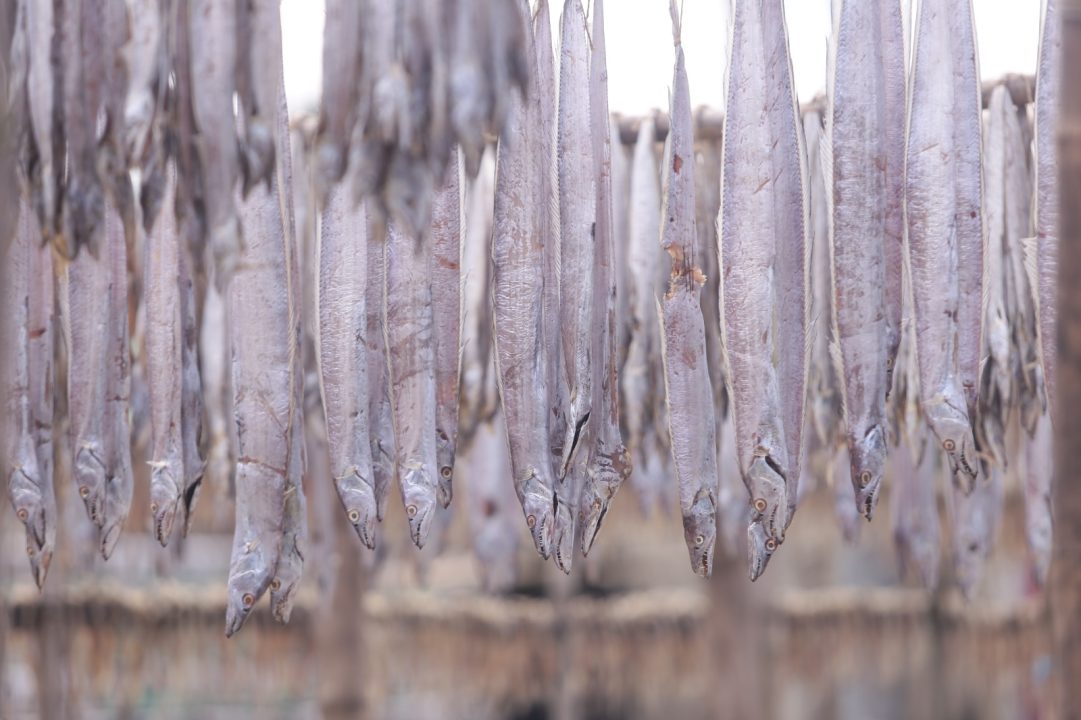
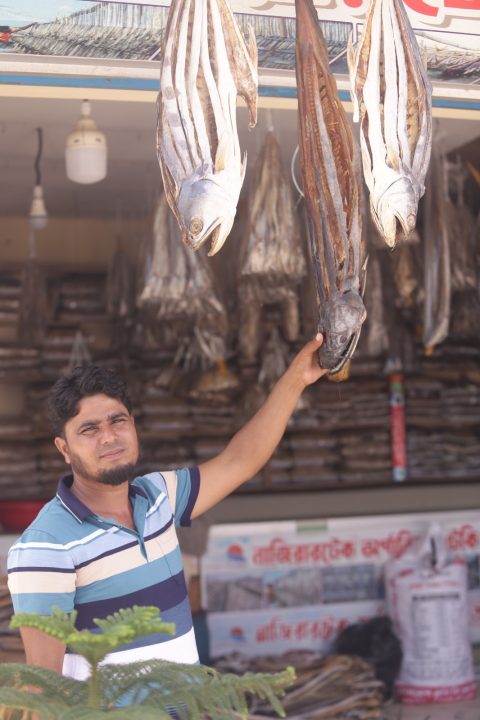
The roadside stretches for about a kilometre with rows of bamboo drying racks, where freshly caught fish are cleaned and hung out in the sun. Around 15,000–20,000 fishing families and workers are involved in fishing and dry-fish processing in the area.
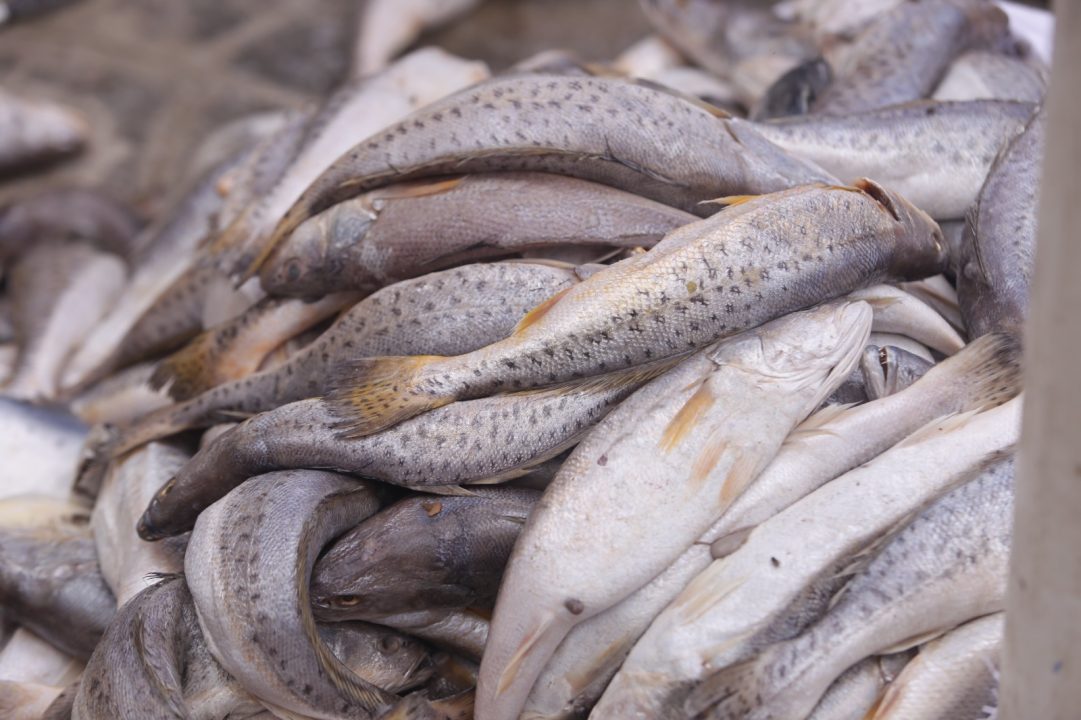
Although the main drying season traditionally runs from November to March, preparations and initial drying activities begin as early as August-September, depending on weather and fish availability. Every day, around 20–25 varieties of fish—including rupchanda, churi, coral, loittya and shrimp—arrive at the village.
Local fisher Jihad Hossain said they sometimes spend eight to 10 days at sea and usually return with different varieties of fish such as laksha, poa, churi and shrimp. After being cleaned and processed, the fish are dried and eventually supplied to markets across Bangladesh and exported abroad.
“Despite various challenges, we have to keep working,” Jihad said.
During the peak winter season, Nazirartek handles an estimated Tk 2–4 crore worth of shutki trade every day, creating employment for thousands of people. Women workers are also actively involved alongside men in cleaning, sorting and processing fish.
By afternoon, the atmosphere takes another turn. Amid the smell of dried fish and the bustle of work, fishers often gather for songs and stories. Local Chattgaiya folk songs, baul tunes and bhatiali melodies echo along the coast, blending with the sound of waves and seabirds.
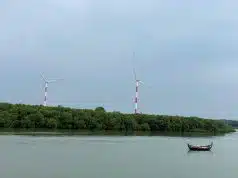
Rows of fishing boats, golden sunlight over the blue water and gulls flying above create a striking coastal landscape. Though Nazirartek does not yet attract large numbers of tourists, those who visit often come out of curiosity—to witness the fishing community, the traditional shutki-making process and the extraordinary rhythm of life by the sea.
Nazirartek is more than a dry-fish village. It is a living story of the sea and the people whose sweat, struggle, and skill turn the ocean’s bounty into a vital part of the local and national economy.
Photo: Hussain Shetu