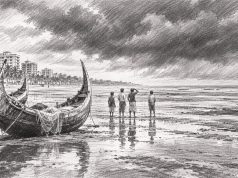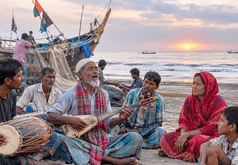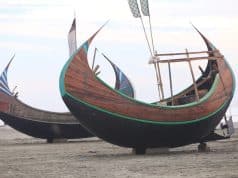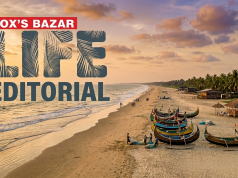


Coastal erosion, rising salinity, landslides and shrinking freshwater supplies are putting Cox’s Bazar under growing pressure. Climate change is intensifying these threats, while unplanned development leaves communities more exposed. Along its celebrated sandy coastline, rising seas and powerful storm surges threaten homes and livelihoods. On islands such as Kutubdia and Maheshkhali, persistent erosion is already damaging settlements and farmland. Our preparedness remains far behind the scale of the challenge.
Industrialised nations bear much of the historical responsibility for global warming, yet low-emitting countries such as Bangladesh face some of its harshest consequences. In Cox’s Bazar, local environmental damage compounds that injustice. Rohingya refugee settlements have placed immense pressure on forests in Ukhiya and Teknaf. An earlier UNDP assessment reported the loss of approximately 4,818 acres of reserved forest. Deforestation, hill cutting and excessive groundwater extraction have further weakened ecological resilience and water security.
Tourism, a cornerstone of the local economy, draws millions of visitors each year. But environmental safeguards have not kept pace with its expansion. A 2024 BRAC baseline study estimated that around 34.5 metric tonnes of plastic waste were mismanaged daily in Cox’s Bazar municipality. Some of this waste risks reaching the sea through drains and waterways. Untreated wastewater, poorly regulated construction and pressure on groundwater add to the damage. These problems are not all caused by climate change, but they make its impacts harder to withstand.
Europe’s experience illustrates the economic breadth of marine industries, although growth alone does not guarantee environmental sustainability. According to the European Commission’s 2025 report, the European Union’s blue economy recorded approximately €890 billion in turnover in 2022. Its activities include coastal tourism, fisheries and renewable energy. Bangladesh, despite its extensive maritime territory, has yet to realise the full potential of its marine resources. Cox’s Bazar could expand responsible tourism, seaweed farming and conservation-linked livelihoods while protecting the ecosystems on which coastal communities depend. Such opportunities require careful planning, scientific research and policies that place long-term environmental health ahead of short-term commercial gains.
The choice is not between development and the environment. It is between unchecked expansion and a future that can endure. Tourism on environmentally sensitive islands, including St Martin’s and Sonadia, must respect ecological limits. Mangrove restoration, hill protection, effective waste management and groundwater safeguards should become priorities, alongside sustainable marine industries and seagrass conservation.
Cox’s Bazar needs an integrated green and blue economy master plan, with clear responsibilities, funding, deadlines and meaningful participation by local communities and women. Its sea, hills, forests and livelihoods cannot be protected in isolation. What matters now is not how fast development moves, but where it leads.
By Salam Abu
Editor