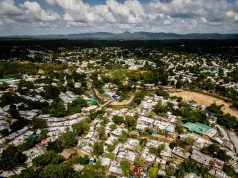
Cox’s Bazar’s tourism economy is expanding rapidly. According to the Hotel and Guesthouse Owners’ Association, more than eight million tourists visited in 2025. Their arrival has encouraged investment in hotels, resorts, restaurants and related businesses. Yet a fundamental question remains: how much of this growing wealth reaches local communities? Are residents gaining a meaningful stake in tourism, or being pushed towards the margins of their own communities?
Tourism has created jobs and business opportunities. Hotels, restaurants, transport services, shops and beachside enterprises support many livelihoods, although much of this work is seasonal. Higher prices and pressure on public services also affect residents. But earning a living from tourism is not the same as owning a share of its wealth. A 2025 bdnews24 report, citing official records, put the number of registered hotels, motels and resorts at around 600. The same report identified 538 accommodation establishments within three square kilometres of Kolatoli. Neither figure, however, reveals how much of the industry is locally owned or how much income remains in the district.
Beyond business ownership lies a more enduring concern: control over land. Tourism investment and rising property values can bring opportunities, but selling ancestral land for a lump sum does not guarantee lasting security. Without opportunities to reinvest or participate in tourism businesses, former landowners may become economically marginalised in their own communities. The extent of such changes in Cox’s Bazar remains unclear. Tracking land ownership changes and their effects on local households would help establish the scale of the risk.
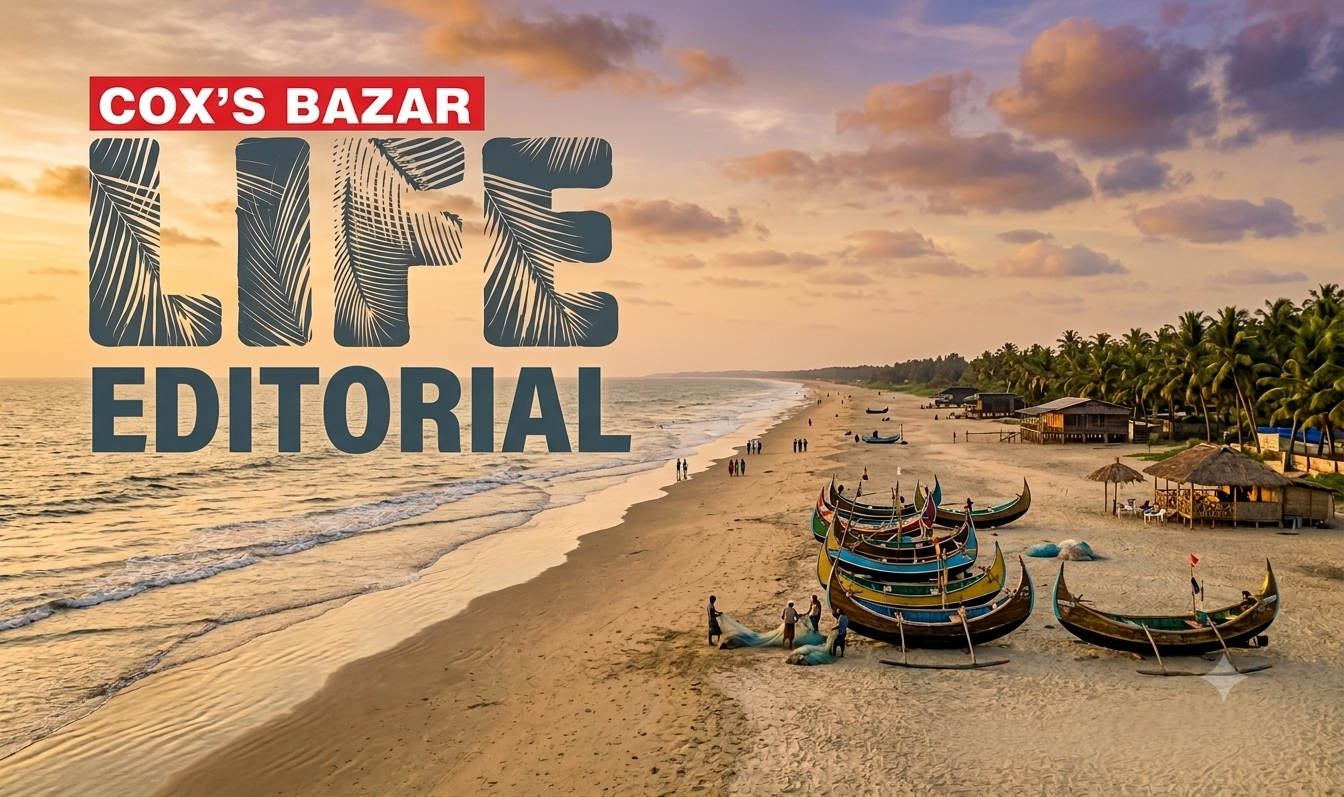
Tourism’s impact extends beyond business and land ownership to the region’s cultural identity. Cox’s Bazar’s local dialects, Rakhine heritage, traditional moon boats and cottage industries give the region its distinctive character. Tourism can support these traditions and create livelihoods around them. But when residents have little influence over development decisions, they risk losing a say in how their heritage is preserved and presented.
The answer is not to discourage outside investment, but to ensure that local communities receive a fairer share of tourism’s benefits. The district administration and relevant agencies should build a comprehensive database of tourism businesses, ownership and employment. Local entrepreneurs need better access to joint ventures, while hotels and resorts should source more goods and services locally. Targeted training should open pathways for local young people into management and decision-making roles. Community representation in land-use planning, affordable financing and support for community-based tourism are equally important.
Tourism’s success cannot be measured solely by hotel numbers or visitor arrivals. It must also be judged by improvements in residents’ livelihoods, economic security and influence over decisions shaping their future. Cox’s Bazar needs investment that strengthens local ownership and protects cultural identity. Otherwise, local people risk becoming tenants in their own land, even as tourism flourishes around them.
By Salam Abu
Editor