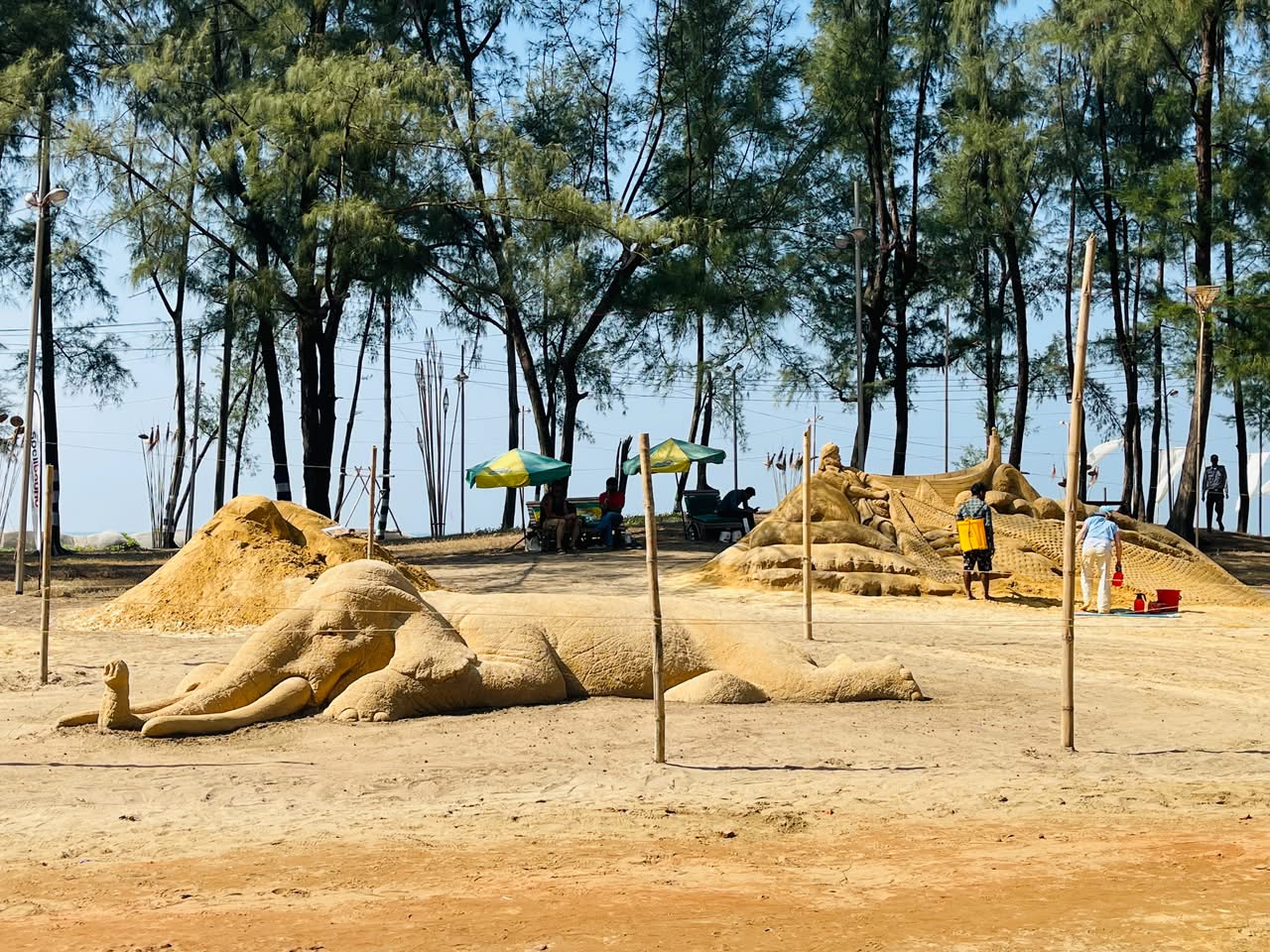
The Cox’s Bazar Tourism Carnival 2026, organised by the Bangladesh Parjatan Corporation, is scheduled to run from November 22 to January 31 across roughly 35 acres near Hotel Shaibal. Organisers describe it as the country’s first and largest beach carnival. The event promises fresh opportunities for local tourism, but its success will depend on something more fundamental: whether visitors can enjoy it safely. Authorities must address the threat posed by teen gangs and organised criminal networks before the festivities begin.
Crime targeting tourists is already a concern. An October 28 investigation by Risingbd reported that more than 100 teen gangs were active in and around Cox’s Bazar town, with allegations of mugging, drug dealing and other offences. Citing Tourist Police, the report said 55 suspected itinerant offenders and 15 suspected muggers had been detained in beach areas this year. These figures do not establish the full scale of crime, but the reported activity warrants serious attention.
The carnival could intensify existing pressures, especially after dark. Visitors will move beyond the venue to beach access roads, nearby neighbourhoods and Marine Drive. A heavily guarded festival ground will offer little reassurance if surrounding routes remain vulnerable. Tourist Police, district police and organisers therefore need a joint security plan that defines responsibilities, coordinates patrols and ensures prompt responses to complaints. Occasional operations cannot substitute for sustained vigilance.
Yet enforcement alone will not resolve the problem. Allegations that adult criminals and drug dealers recruit or shelter young offenders require investigation. Those who organise and profit from such crimes must be held accountable, rather than leaving teenagers to bear the consequences alone. Young people at risk also need access to education, training and rehabilitation. Carnival-related employment may provide legitimate opportunities, but short-term jobs cannot replace sustained social support.
Immediate preparations should focus on visible patrols at vulnerable locations, better lighting, targeted CCTV coverage and accessible reporting channels. Registration of temporary beach workers could improve management, provided personal information is protected and photographers, vendors and other lawful workers are not subjected to indiscriminate scrutiny. Equally important is ensuring that tourists know where to seek assistance and that complaints receive timely attention. The aim must be to identify offenders, not treat an entire informal workforce as suspects.
The larger test will come after the carnival closes. Cox’s Bazar needs a lasting, coordinated approach to tourist safety, one that protects residents as well as visitors and tackles the networks behind recurring crime. This festival offers an opportunity to strengthen that system, not merely stage a temporary show of force. Tourism grows sustainably when people trust a destination. No spectacle, however ambitious, can replace that confidence.
By Salam Abu
Editor