

Cox’s Bazar’s coastal belt, once a natural grazing land for water buffaloes, is losing its long-standing identity. Just a decade ago, buffaloes roamed freely across various areas of the district, particularly in Ukhiya, Teknaf, Maheshkhali, Chakaria, and Boalkhali.
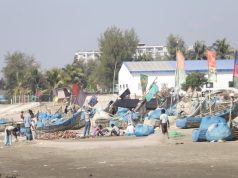
However, today, their presence is a rare sight. Encroachment on river islands (chars), the expansion of crop cultivation, and unplanned infrastructure development along the coast are steadily shrinking their grazing grounds.
Officials at the Department of Livestock Services say buffaloes largely depend on open char lands and coastal grazing areas. However, land use changes—such as construction, deforestation of grazing fields, and a shortage of natural forage—are limiting buffalo rearing, which in turn affects meat and milk production.

Farmers, too, voice concern. With acute fodder shortages and rising feed prices, rearing buffaloes has become increasingly complex. Unlike cows, buffaloes cannot be easily reared in confined farms; they need large open spaces to graze. The crisis is directly impacting supply.
Nutritionists note that buffalo milk contains nearly double the nutrients of cow’s milk, while buffalo meat, being lower in cholesterol, enjoys high consumer demand. Yet with grazing grounds fast disappearing, both milk and meat production are facing a serious setback.
Mohammad Morshed
Photo: Hussain Shetu