
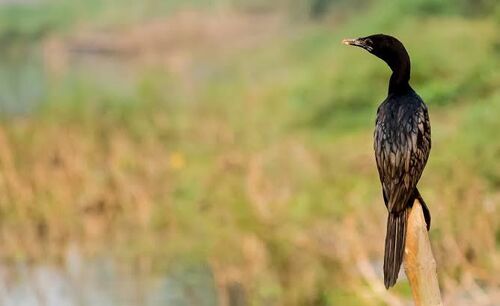
Cormorants (paankouri), once a common sight in Moheshkhali, Cox’s Bazar, are now on the brink of extinction due to severe environmental degradation.
Previously seen in flocks, these aquatic birds are disappearing due to the destruction of their habitats. Environmentalists attribute this decline to the loss of mangrove forests, scarcity of food, and encroachment on waterbodies.
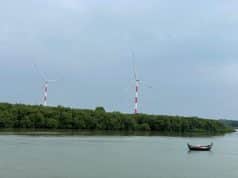
Moheshkhali, Bangladesh’s only hilly island, nestled in the northeastern Bay of Bengal, was once a haven of lush greenery. However, unchecked deforestation of mangroves, hill cutting for settlements, encroachment on waterbodies, and river filling—coupled with large-scale development projects—have severely impacted the island’s ecosystem.
Cormorants rely heavily on wetlands and mangrove forests for survival. Their numbers are dwindling due to the destruction of these habitats, food scarcity, and shrinking nesting spaces. The conversion of mangrove forests into shrimp farms and land acquisition for development projects have exacerbated this alarming trend.
According to environmentalists, cormorants are medium-sized waterbirds, measuring 30–33 cm in length, with glossy black feathers, reddish eyes, and long, slender beaks. Known for their remarkable diving abilities, they hunt fish underwater. However, the destruction of Maheshkhali’s mangroves has pushed them toward extinction.
Moheshkhali’s Sonadia Island, celebrated for its biodiversity, is home to 70 species of waterbirds, red crabs, and stone crabs. It also serves as a vital breeding ground for sea turtles. During winter, this island attracts migratory birds from across the globe.
However, Sonadia is also under threat. The Bangladesh Economic Zones Authority (BEZA) is implementing a master plan to develop a 9,467-acre eco-tourism park on the island. This initiative has caused extensive mangrove destruction, canal filling, and water pollution, raising fears of irreversible damage to Sonadia’s ecosystem and biodiversity.
Abu Bakkar, General Secretary of Bangladesh Poribesh Andolon (BAPA) in Maheshkhali, highlights the plight of the Koholia River, saying, “Coal power project waste has nearly killed the river. Shrimp farms have destroyed the mangroves along its banks, putting cormorants and other species in danger.
Environmentalists caution that preserving the natural beauty and biodiversity of Moheshkhali and Sonadia requires immediate action. Protecting mangroves, preventing river encroachment, and adopting eco-friendly development practices are essential to ensuring the survival of cormorants and other wildlife.
The rampant deforestation of mangroves in Moheshkhali for shrimp farming has reached a critical stage, threatening cormorants, winter migratory birds, and other wildlife.
Conservationists warn that failure to protect Moheshkhali and its islands could result in the irreversible loss of the region’s unique ecological identity.
By Rajin Saleh
Photo: Collected